Loud boom at startup
We clean or replace the flame sensor, test the igniter, and verify gas pressure with a manometer. The burner then lights within the manufacturer's time window, and the boom stops.
Furnace noise diagnosis and repair Ashland OH starts with a full sound-and-safety inspection of your system. If your furnace is making noise, we pinpoint the failed part, explain the fix, and restore quiet heat the same day. We serve homeowners across Ashland County, from Downtown Ashland to Willow Creek.
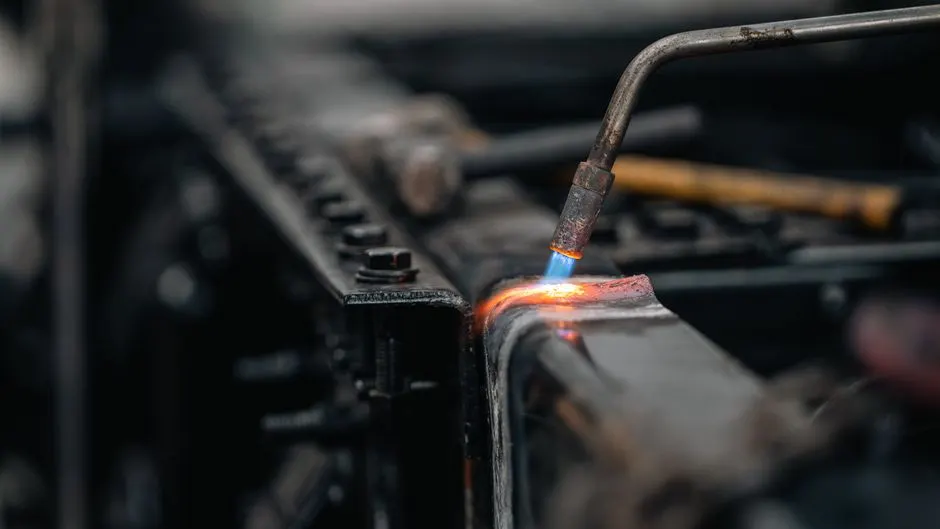
Furnace noise diagnosis and repair Ashland OH is a diagnostic service that identifies the exact component causing banging, squealing, rumbling, or clicking and restores quiet, safe operation. We test the inducer motor, blower motor, gas valve, and heat exchanger with a manometer, multimeter, and combustion analyzer. A squeal usually means a dry blower bearing; a boom points to delayed ignition. We confirm the cause before we quote any part.
Ashland homes take a beating from cold Ohio Valley winters, and furnaces here run hard from October through April. When your system starts rumbling in the middle of the night, you need a furnace noise repair in Ashland that does not wait until morning. We hear the same story in Historic Ashland and Ashland Heights: a furnace making noise in Downtown Ashland OH that gets worse every week. Call us before a small noise becomes a no-heat emergency.
Every noise call includes a full diagnostic, a safety check, and a written repair quote. We do not charge extra for the diagnosis when you approve the repair. Here is what you get when you book us.
We listen to the furnace through a full heat cycle, then test the blower motor, inducer motor, gas valve, igniter, and flame sensor with a multimeter, manometer, and clamp meter. You get the exact cause, not a guess.
Every visit includes a carbon monoxide test with a combustion analyzer and a visual heat exchanger inspection with an inspection camera. If we find a crack or a CO leak, we tell you immediately and make the system safe.
Before we touch a part, you get a flat price for the repair. The quote covers the part, the labor, and the warranty. If the diagnosis shows a bigger issue, we explain your options and you decide.
Most noise repairs involve a blower motor, inducer motor, capacitor, flame sensor, thermocouple, or control board. We carry these parts for Carrier, Trane, Lennox, Goodman, Rheem, York, and Bryant furnaces on our service vans.
After the repair we run two heat cycles and verify amp draw, gas pressure, and temperature rise against the manufacturer spec plate. If the noise is gone and the readings are in range, we sign off and clean up.
When you call, we ask what the noise sounds like, when it happens, and what brand of furnace you own. That five-minute conversation tells us whether to bring a blower motor, an inducer motor, or a gas valve kit. It saves you a second visit and gets the right parts on the truck.
A NATE-certified technician arrives, shuts the system down safely, and pulls the burner compartment cover. We inspect the blower wheel, inducer assembly, gas valve, and heat exchanger. Most inspections take 20 to 30 minutes, and we show you what we find.
We use a manometer to check gas pressure, a multimeter and clamp meter to test the capacitor, transformer, and blower amp draw, and a combustion analyzer to read CO and flue temperature. These readings separate a guess from a diagnosis. You see the numbers.
Once we identify the failed part, we quote the repair in writing. Common fixes include a new blower motor, inducer motor, flame sensor, thermocouple, or control board. Most repairs take one to three hours, and we clean the work area before we pack up.
We run two full heat cycles and listen at the return and supply vents. Amp draw, gas pressure, and temperature rise all get checked against the manufacturer spec plate. If anything is off, we adjust it. You get a quiet furnace and a signed test sheet.
Purpose-built equipment, used by trained technicians — so the job is done accurately the first time.
Measures gas pressure at the valve and pressure switch to confirm the furnace is running within the manufacturer's spec.
Tests voltage, continuity, and blower motor amp draw so we can tell a failing motor from a weak capacitor.
Reads carbon monoxide and flue temperature to confirm the furnace is burning clean and safe after a repair.
Lets us look inside the heat exchanger for cracks without pulling the entire furnace apart.
Confirms whether the thermocouple or flame sensor is producing the signal the control board needs.
Checks gas-side and electrical-side readings during diagnosis and after the repair.
Cleans the flame sensor, burner tubes, and blower wheel so we can restore proper operation without unnecessary parts.
A 2005 Carrier furnace in Downtown Ashland boomed on every startup. The homeowner worried about safety and had started shutting the furnace off at night. The flame sensor was coated with carbon and the igniter was weak.
We cleaned the flame sensor, replaced the igniter, and verified gas pressure with a manometer. Startup time dropped from 12 seconds to 4 seconds. The boom is gone, and the furnace now lights on the first try.
A Trane furnace in Meadowbrook squealed so loud the homeowner could hear it from the second floor. The blower motor bearing was dry and the capacitor had dropped below spec. Amp draw was 9.8 amps against a 7.5-amp rating.
We replaced the blower motor and capacitor, then measured amp draw at 7.1 amps. The squeal is gone and the blower runs cool. The homeowner says the house is quieter than it has been in years.
A Bryant furnace in Brookside rumbled at startup and the homeowner smelled a faint odor near the vents. The inducer motor bearings were failing and the pressure switch was sticking. We tested for carbon monoxide before running the system.
CO readings were normal, but the inducer motor was replaced and the pressure switch cleaned. The rumble stopped, and the furnace now completes its startup sequence in under 30 seconds. The homeowner runs the system with confidence again.
Most furnace noises fall into a handful of categories. We have heard them all in Ashland County, and we know which parts to test first. Here are the problems we solve most often.
Ask a pro →We clean or replace the flame sensor, test the igniter, and verify gas pressure with a manometer. The burner then lights within the manufacturer's time window, and the boom stops.
We test the capacitor and motor windings, then replace the blower motor if the bearing is gone. We verify amp draw with a clamp meter before we leave, so you know the new motor is running in spec.
We inspect the inducer housing and test the pressure switch with a manometer. If the bearings are failing, we replace the inducer motor and confirm the furnace completes its startup sequence every time.
We test the pressure switch, limit switch, and control board with a multimeter and voltage tester. Once we find the fault, we repair or replace the part and run the furnace through a full cycle to confirm.
“Our furnace started making a loud boom every time it kicked on. I called in the morning and a technician was here by early afternoon. He showed me the dirty flame sensor, cleaned it, and tested the ignition. The boom is gone and the heat comes on smooth now. Fair price, no upsell.”
Karen M.Homeowner, Historic Ashland
✓ Verified“The blower on our Trane was squealing so loud we could hear it in the bedroom. They diagnosed a bad bearing, had the motor on the truck, and swapped it out the same visit. Amp draw was checked before they left. Quiet as new. I will use them again.”
Dave R.Homeowner, Meadowbrook
✓ Verified“We heard a rumbling noise and smelled something odd, so we called at 9 p.m. They walked us through shutting the furnace down safely and had a tech out that night. Turned out to be the inducer motor. Fixed it and tested for carbon monoxide. Professional and calm under pressure.”
Tina L.Homeowner, Brookside
✓ VerifiedMost furnace noises in Ashland come from four parts: a dry or failing blower motor bearing (squeal), a dirty flame sensor causing delayed ignition (bang), a failing inducer motor (rumble), or a loose blower wheel (scrape). Age matters too. Furnaces over 15 years old in Ashland County often develop multiple noises at once. We test each component with a multimeter and manometer to find the real cause.
Typical 2026 furnace noise repair cost Ashland OH runs $180 to $650, including diagnosis and the most common parts. A flame sensor or thermocouple replacement sits at the low end. A blower motor or inducer motor replacement lands higher. Emergency after-hours calls add a dispatch fee. We quote the full price before we start, so there are no surprises.
A loud boom at startup usually means delayed ignition, often from a dirty flame sensor or a weak igniter. A constant rumble points to the inducer motor or a loose blower wheel. A high-pitched squeal is almost always the blower motor bearing. In Ashland, cold snaps make these problems worse because the furnace runs longer cycles. We diagnose the exact cause before quoting a repair.
Yes. We offer furnace noise diagnosis and repair Ashland OH same-day service whenever our schedule allows, and we hold emergency slots for no-heat calls. Call before noon and we can usually get a technician to your home the same afternoon. If the part is on the truck, most repairs finish in one visit.
Emergency Furnace RepairWhen a noise turns into a no-heat call at 2 a.m., our emergency team responds across Ashland County. We diagnose the failure, make a safe repair, and get heat back on the same visit whenever the part is on the truck.Explore →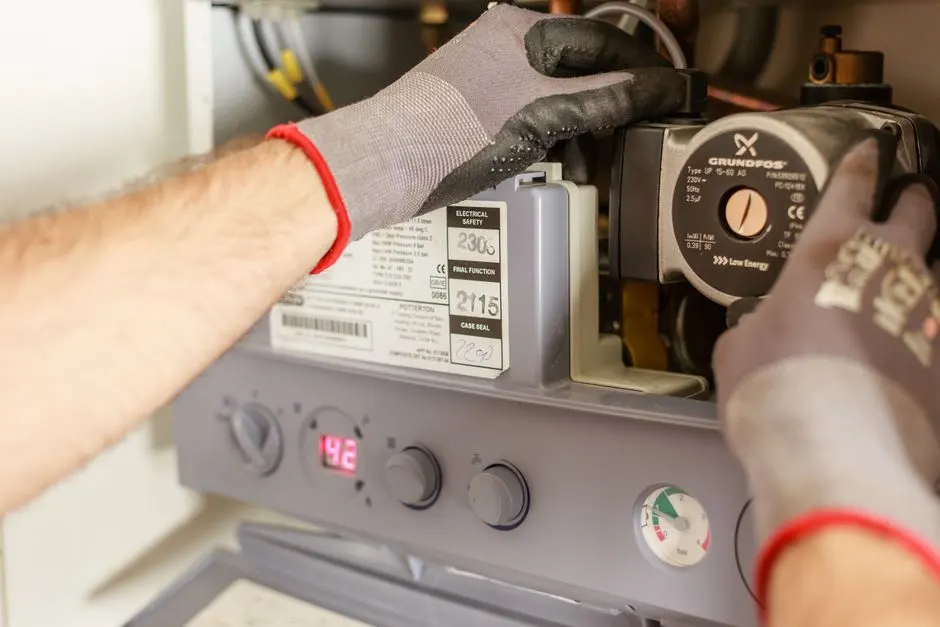 24/7 Furnace RepairOur phones stay answered around the clock. If your furnace is banging, squealing, or blowing cold air after hours, call and we will triage the noise over the phone and dispatch a technician when the situation is unsafe.Explore →
 Same-Day Furnace RepairMost furnace noise repair in Ashland can be handled the same day you call. We stock blower motors, inducer motors, flame sensors, and thermocouples on our vans so we can finish the job in one trip whenever possible.Explore →
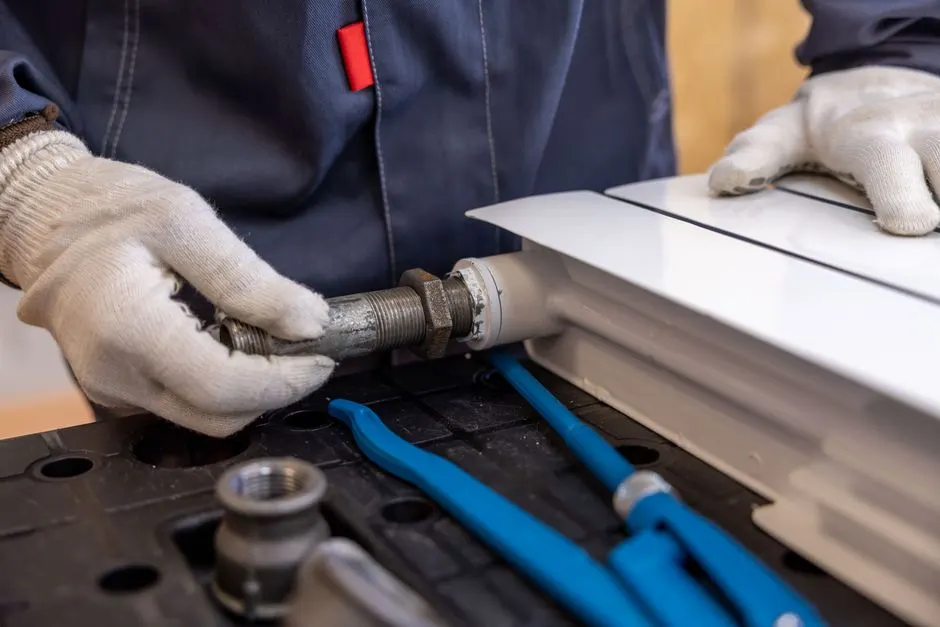 Furnace Not Heating RepairA noisy furnace that stops heating often points to a failed igniter, flame sensor, or gas valve. We test the full ignition sequence and repair the cause, not just the symptom, so your heat comes back and stays on.Explore →
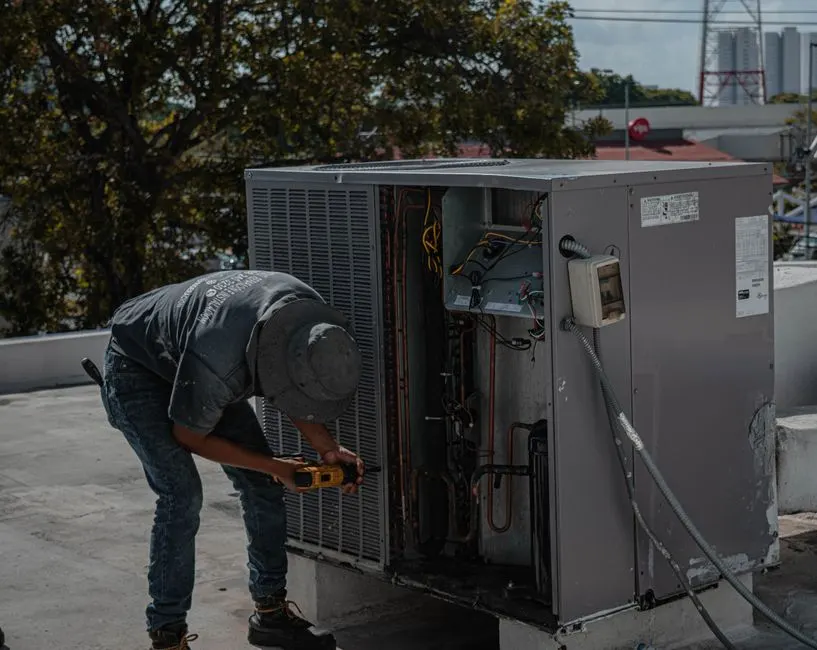 Furnace Blowing Cold Air RepairCold air plus a strange noise usually means a blower or limit switch problem. We check airflow, temperature rise, and the blower motor amp draw to find out why the furnace is running without heat.Explore →
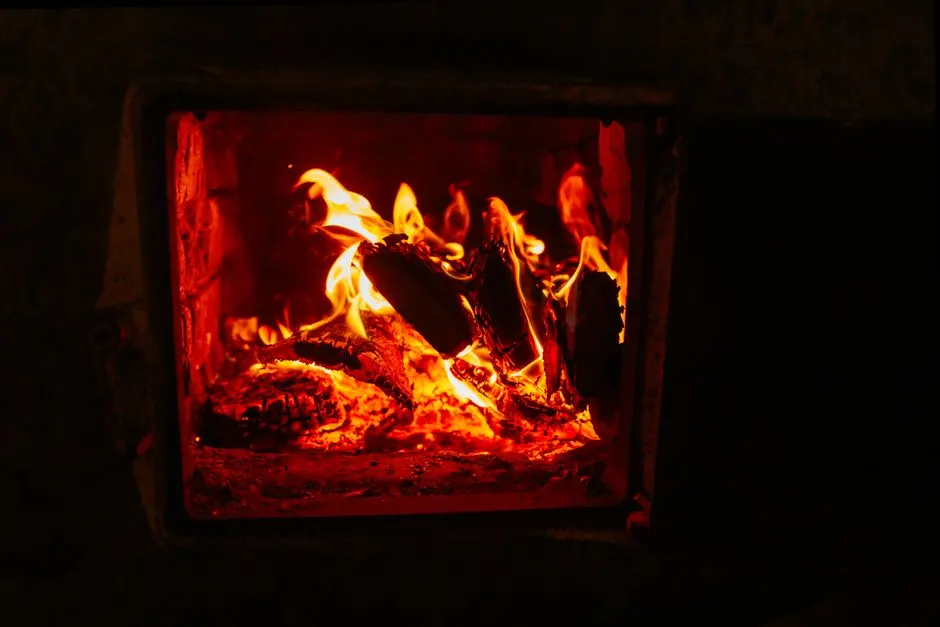 Furnace Ignition RepairDelayed ignition is the number one cause of a loud boom at startup. We clean or replace the flame sensor, test the igniter, and verify gas pressure with a manometer so the burner lights smoothly and quietly.Explore →
 Furnace Pilot Light RepairA pilot that will not stay lit often makes a popping or clicking noise before it goes out. We inspect the thermocouple, thermopile, and pilot orifice, then replace what has failed so the pilot holds a steady flame.Explore →
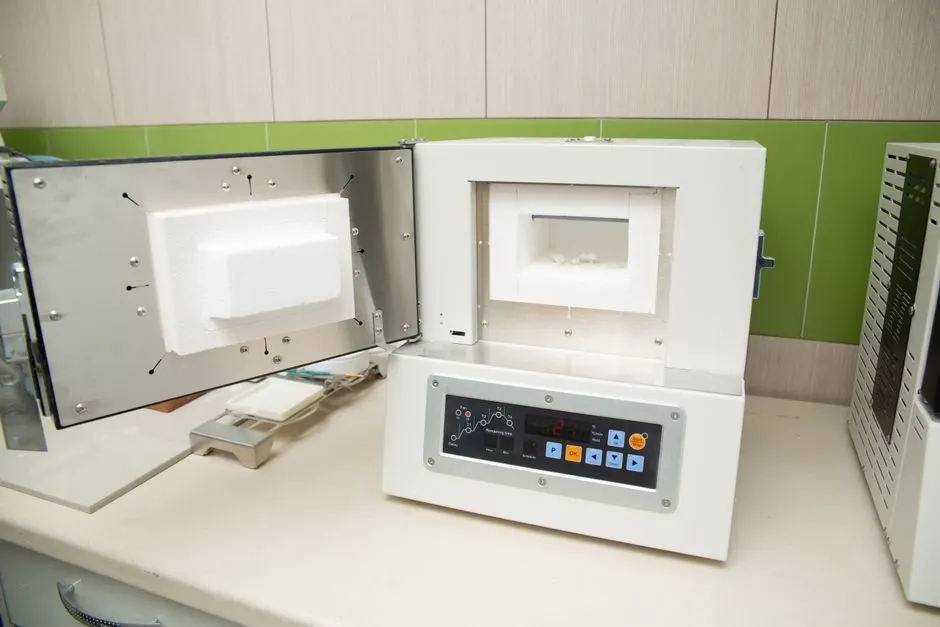 Furnace Thermocouple ReplacementA failing thermocouple can cause clicking, delayed ignition, and pilot outages. We test it with a thermocouple tester and replace it with an exact-match part for your Carrier, Trane, Lennox, or Goodman furnace.Explore →
A noisy furnace rarely fixes itself. Call us, describe the sound, and we will tell you what it likely is and when we can be there. Same-day appointments are available, and our phones are answered 24/7 for unsafe situations.
Book a Repair +14195820227 →Call +14195820227 any time, day or night, and a live dispatcher will take your address and symptoms. We serve Ashland and Ashland County with same-day and emergency service. You can also email [email protected] and we will reply within one business hour.