Dirty flame sensor causing shutdown
We remove the flame sensor, clean it with a wire brush, and test the microamp signal with a multimeter. If the sensor is too worn, we replace it. This is a fast, affordable fix that restores steady heat.
When your furnace blowing cold air repair Ashland OH is what you need, our team responds fast. We handle every furnace cold air fix Ashland homeowners call about, from dirty flame sensors to failed blower motors. Whether it is a Carrier, Trane, or Lennox system, we get your heat back on the same day. Call +14195820227 now.
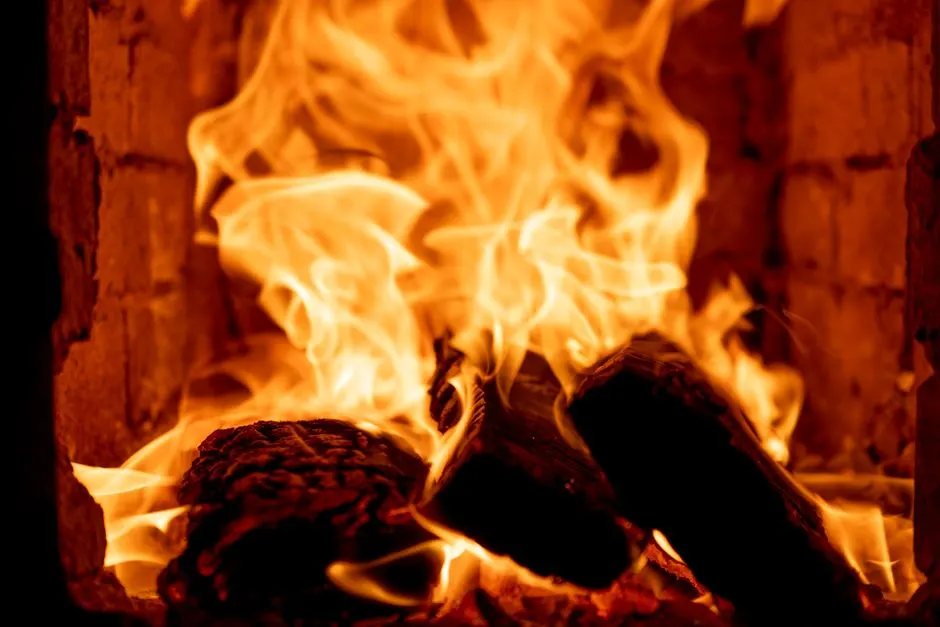
Furnace blowing cold air repair Ashland OH is a diagnostic and repair service that restores heat output when your furnace runs but pushes unheated air through the vents. The problem usually traces to a dirty flame sensor, a failed igniter, a stuck pressure switch, or a blower motor that never gets the signal to ramp up. We test each component with a multimeter and manometer, confirm the fault, then repair or replace the failed part on the spot.
In Ashland, cold snaps hit hard and fast. Older homes near Downtown Ashland and the Historic Ashland district often run furnaces that are 15 to 25 years old, and parts wear out. If your heater blowing cold air repair Ashland Ohio is on your to-do list, do not wait. A furnace blowing cold air in Riverfront District during a January freeze can drop indoor temps below 55 degrees within hours. We treat it as urgent.
Every furnace blowing cold air repair Ashland OH visit includes a full diagnostic, the repair itself, and a safety check. We do not charge extra for the diagnostic if you approve the repair. Here is what you get.
We test the thermostat, flame sensor, igniter, pressure switch, blower motor, and control board. Using a multimeter, manometer, and combustion analyzer, we pinpoint the exact fault. This takes 30 to 45 minutes and you get a clear explanation of what failed.
Once you approve the quote, we repair or replace the failed component. We carry common parts like flame sensors, igniters, thermocouples, and capacitors on every truck. Most repairs take 1 to 2 hours from start to finish.
After the repair, we test for carbon monoxide at the supply plenum and in the living space. If we find a cracked heat exchanger or CO leak, we shut the system down and give you straight options. Safety comes before anything else.
We measure the temperature difference between the return and supply air to confirm the furnace is heating within manufacturer spec. You see the numbers before we leave. If the rise is off, we adjust gas pressure or airflow until it is right.
A clogged filter causes overheating and cold-air calls. We inspect your filter and replace it if needed with the correct size and MERV rating. We also show you how to check it yourself between visits.
You call +14195820227 and describe the symptoms. Our dispatcher asks what brand you have, how old the unit is, and whether you smell gas. We book the soonest slot, often same-day. You get a text with the technician name and arrival window.
The tech tests the thermostat, flame sensor, igniter, pressure switch, and blower motor. We use a multimeter, manometer, and combustion analyzer to pinpoint the fault. This takes 30 to 45 minutes. You get a clear explanation of what failed and why.
We quote the fix and get your approval. Most repairs take 1 to 2 hours. If the heat exchanger is cracked or the control board is fried, we walk you through replacement options. We carry Honeywell and White-Rodgers controls on the truck for common models.
After the repair, we run the furnace through a full heating cycle. We check temperature rise at the supply and return, verify gas pressure, and test for carbon monoxide. You see the numbers. We do not leave until the heat is steady and safe.
We clean the work area, replace the furnace filter if needed, and walk you through what we did. You get a written summary of the repair and any parts replaced. If you have questions about maintenance, we answer them before we go.
Purpose-built equipment, used by trained technicians — so the job is done accurately the first time.
Tests voltage, continuity, and resistance on flame sensors, igniters, control boards, and wiring. We use it to confirm electrical faults before replacing any part.
Measures gas pressure and draft at the pressure switch and inducer. This confirms whether the switch is stuck or the inducer is failing to pull enough vacuum.
Measures carbon monoxide, oxygen, and combustion efficiency at the flue. We use it after every gas-side repair to confirm safe operation.
Measures amperage draw on blower and inducer motors. A high or low reading tells us whether the motor is failing or the capacitor is weak.
Lets us look inside the heat exchanger for cracks without disassembling the entire furnace. Critical for carbon monoxide safety checks.
Tests millivolt output on standing-pilot furnaces. If the thermocouple is weak, the pilot will not stay lit and the furnace will not heat.
Cleans carbon buildup from flame sensors and burners. A clean flame sensor restores the microamp signal and keeps the burners lit.
A homeowner in Downtown Ashland called us on a Sunday morning. The furnace was running but blowing cold air. Indoor temp had dropped to 59 degrees. The flame sensor was coated in carbon and the furnace was locking out after 5 seconds of flame.
We cleaned the flame sensor with a wire brush, tested the microamp signal, and confirmed it was within spec. The furnace ran a full 15-minute cycle and the house reached 70 degrees in 90 minutes. Total repair time: 45 minutes.
A family in Ashland Heights had a 20-year-old Trane furnace that ran but pushed only cold air. The blower motor was drawing high amps and the capacitor was weak. The house stayed at 62 degrees despite the thermostat calling for heat.
We replaced the blower motor and capacitor with OEM parts. The new motor drew normal amps and the furnace heated the home to 70 degrees in under 2 hours. The repair cost $580 and came with a 1-year parts warranty.
A homeowner in Riverfront District had a high-efficiency furnace that would not light. The inducer ran but the pressure switch stayed open. The vent pipe had a slight uphill slope that trapped condensate and blocked the pressure switch port.
We cleared the condensate, corrected the vent slope, and replaced the pressure switch. The furnace lit on the first try and ran a full cycle. The repair took 2 hours and cost $320. The home was warm by evening.
Most furnace blowing cold air calls trace back to one of a handful of failures. Here are the ones we see most often in Ashland homes, and how we fix them.
Ask a pro →We remove the flame sensor, clean it with a wire brush, and test the microamp signal with a multimeter. If the sensor is too worn, we replace it. This is a fast, affordable fix that restores steady heat.
We test the blower motor with a clamp meter and check the capacitor with a multimeter. If either is failed, we replace it with an OEM part. Most blower repairs are completed same-day in Ashland.
We test the inducer with a manometer and check the pressure switch ports for blockages. We replace failed switches or inducer motors with code-correct parts and verify the ignition sequence through a full cycle.
We inspect the heat exchanger with an inspection camera and test for CO with a combustion analyzer. If it is cracked, we shut the system down and walk you through replacement options. We never leave a CO risk running.
“Our furnace started blowing cold air on a Friday night in January. I called at 9 p.m. and a tech was at our door by 10:30. He found a dirty flame sensor, cleaned it, and had heat back in 45 minutes. The price was exactly what he quoted. No games. I will call these guys again.”
Mark R.Homeowner, Downtown Ashland
✓ Verified“We woke up to 58 degrees inside and cold air from every vent. The technician diagnosed a failed blower motor capacitor and replaced it the same morning. He also checked for carbon monoxide and showed me the readings. Professional, fast, and honest about what needed fixing.”
Sandra K.Homeowner, Riverfront District
✓ Verified“My 20-year-old Trane furnace kept short cycling and blowing cold air. They tested everything, found a stuck pressure switch, and had the part on the truck. Two hours later the house was warm. They explained what failed and how to avoid it next winter. Fair price, no upsell.”
Dave M.Homeowner, Ashland Heights
✓ VerifiedThe most common cause is a dirty or failed flame sensor. The sensor tells the control board a flame is present; when it is coated in carbon, the board shuts the gas valve and the blower keeps running, pushing cold air. Other causes include a bad igniter, a stuck pressure switch, or a failed blower motor. We diagnose it in 30 to 45 minutes.
Start by checking your thermostat: make sure it is set to Heat and the fan is on Auto, not On. If that is correct, check the furnace filter; a clogged filter can cause the limit switch to trip and shut down the burners. If the problem continues, call us at +14195820227. Most repairs take 1 to 2 hours and cost $180 to $650.
Yes, if outdoor temps are below 40 degrees. A furnace blowing cold air in Ashland OH during winter can drop your indoor temperature fast, risking frozen pipes and health issues for kids or elderly family members. We treat it as an emergency and dispatch 24/7. Call us and we will get a tech out same-day.
Typical 2026 pricing in Ashland runs $180 to $650 depending on the failed part. A flame sensor cleaning or thermocouple replacement sits at the low end. A blower motor or control board replacement runs higher. We quote the exact price before we start, and there is no charge for the diagnostic if you approve the repair.
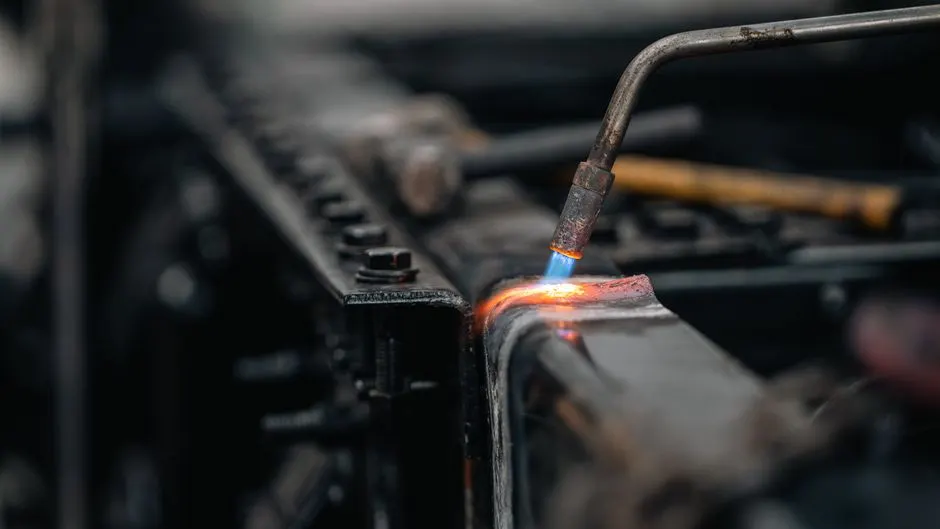 Emergency Furnace RepairWhen your furnace quits at 2 a.m. in Ashland, our emergency team rolls immediately. We handle no-heat calls around the clock, diagnose the failure, and restore heat the same night. If you have cold air from vents repair near me Ashland, call us.Explore →
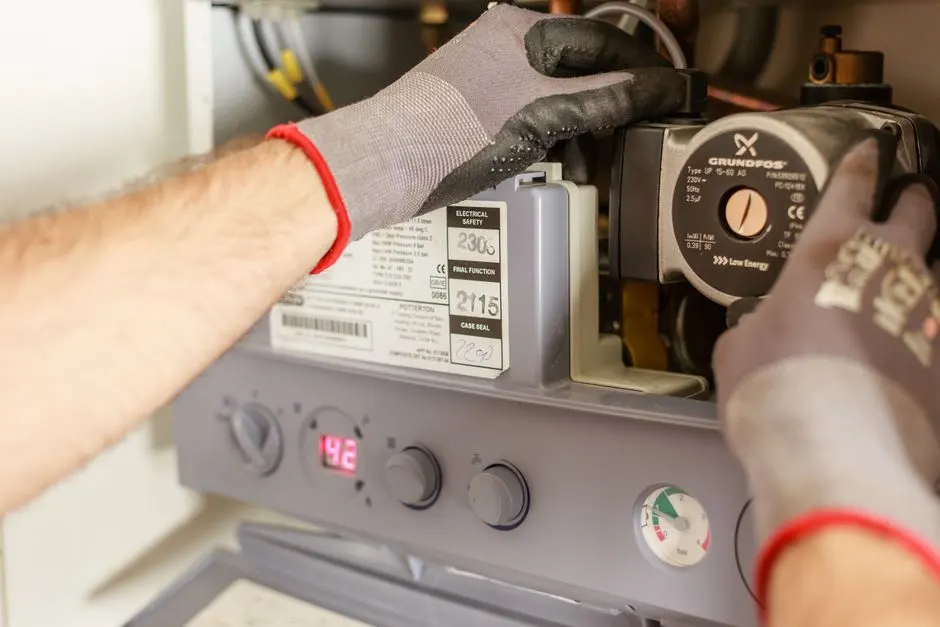 24/7 Furnace RepairFurnaces fail on weekends and holidays. Our 24/7 line stays open every day of the year. We dispatch techs across Ashland County at any hour. No answering machines, no waiting until Monday. Call +14195820227 any time.Explore →
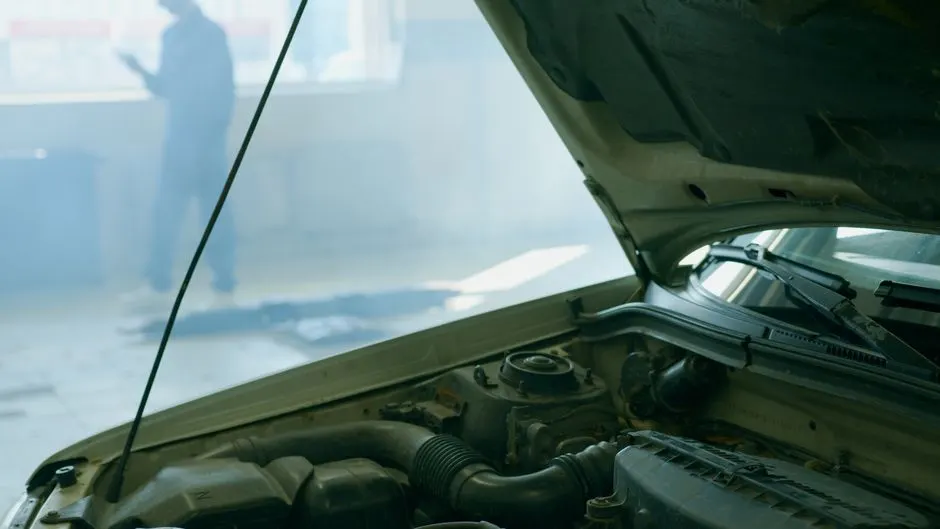 Same-Day Furnace RepairMost furnace blowing cold air repair Ashland OH calls are completed the same day you call. We stock common parts on every truck and schedule same-day slots for urgent no-heat situations. You get heat back fast, not a next-week appointment.Explore →
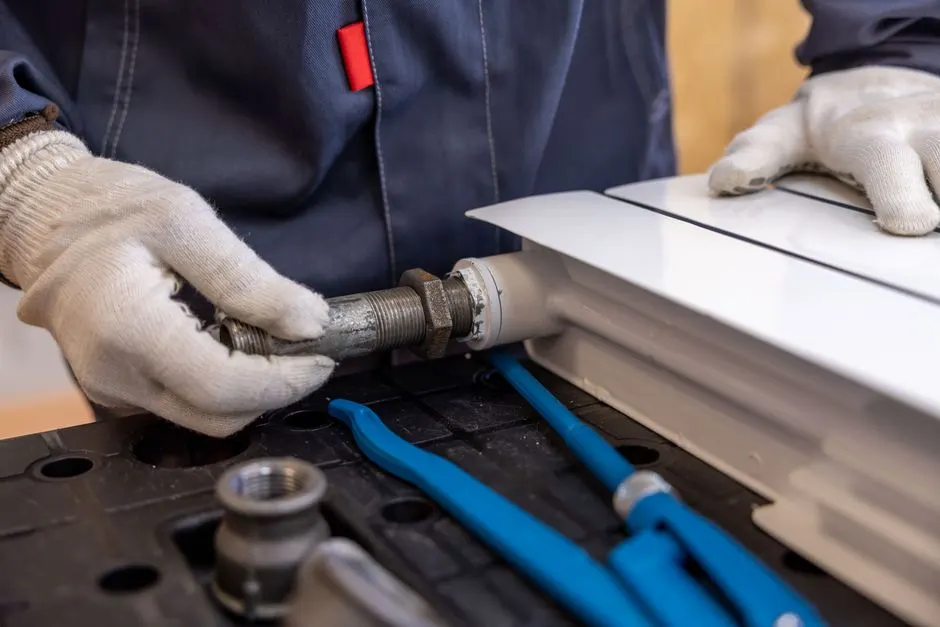 Furnace Not Heating RepairA furnace that runs but does not heat is usually a flame sensor, igniter, or gas valve issue. We test each component with a multimeter and combustion analyzer, confirm the fault, and repair it on the spot. Most jobs take 1 to 2 hours.Explore →
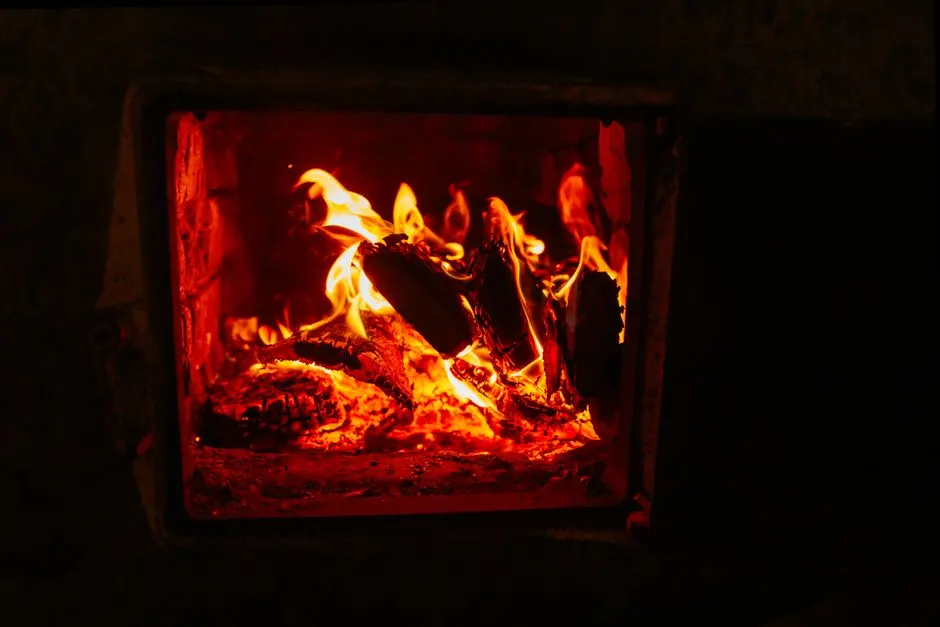 Furnace Ignition RepairIf your furnace clicks but never lights, the igniter or ignition control is likely bad. We test the igniter with a clamp meter, check the control board, and replace failed parts with OEM components. Same-day ignition repair across Ashland.Explore →
 Furnace Pilot Light RepairOlder furnaces with standing pilots can lose the flame when the thermocouple fails. We test the thermocouple with a tester, clean the pilot assembly, and replace worn parts. If your pilot will not stay lit, call us for same-day repair.Explore →
 Furnace Thermocouple ReplacementA failed thermocouple shuts off the gas valve and leaves you with cold air. We carry replacement thermocouples on every truck and swap them in under an hour. We test the new one before we leave to confirm the pilot holds.Explore →
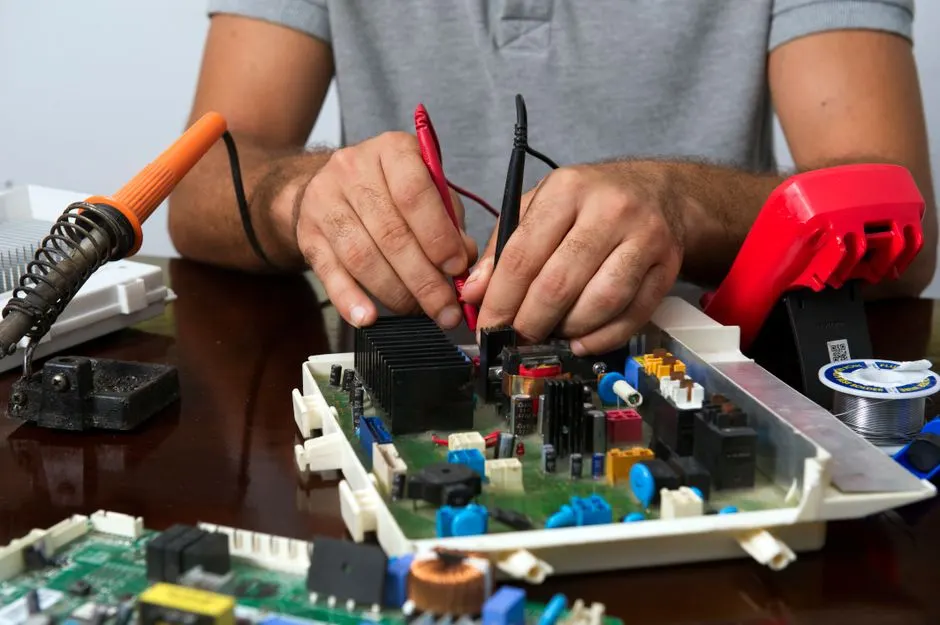 Furnace Control Board RepairControl boards fail from power surges, age, or moisture. When the board stops sending signals to the blower or igniter, you get cold air. We diagnose board faults with a voltage tester and replace failed boards with Honeywell or White-Rodgers units.Explore →
Do not spend another night in the cold. Our NATE-certified techs are ready to diagnose and fix your furnace today. We stock common parts, quote upfront pricing, and stand behind every repair. Call +14195820227 now and get your heat back.
Call Now +14195820227 →Call +14195820227 any time, day or night, and a live dispatcher will take your address and symptoms. We serve Ashland and Ashland County with same-day and emergency service. You can also email [email protected] and we will reply within one business hour.