Furnace clicks but never lights
We test the 24-volt signal at the valve with a multimeter. If the coil is dead, we replace the valve the same day. If the signal is missing, we trace it back to the control board or wiring and fix the real cause.
When your furnace clicks but never lights, the gas valve is often the culprit. Our techs handle furnace gas valve repair Ashland OH homeowners can count on, from stuck Honeywell and White-Rodgers valves to full gas valve replacement Ashland. We test with a manometer and multimeter, confirm the fix, and get your heat back on today.
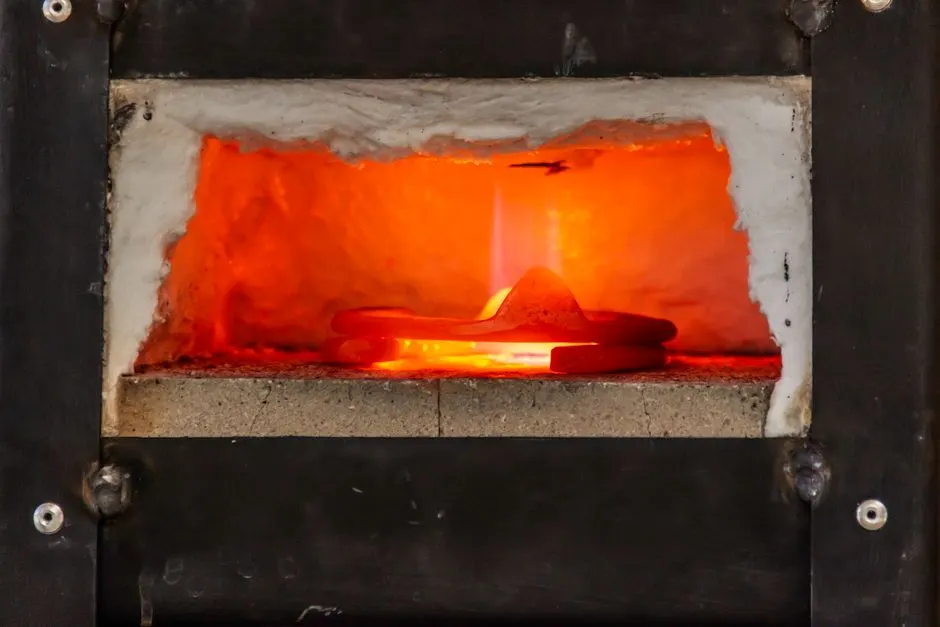
Furnace gas valve repair Ashland OH is the diagnosis and correction of a failed gas valve that stops your furnace from lighting or holding a flame. The valve is the gatekeeper: the control board sends 24 volts, the valve opens, gas flows to the burners, and ignition follows. When that sequence breaks, you get a furnace blowing cold air, a pilot light that won't stay lit, or a unit that short cycles and never satisfies the thermostat.
In Ashland, most gas valve failures show up on the first hard cold snap in November, when furnaces that sat idle since March get pushed. Older homes near Downtown Ashland and Historic Ashland often run 20-year-old Carrier and Trane units with original valves. We see gas valve not opening repair Ashland calls after power surges, dirty flame sensors, and pressure switch faults. If your furnace gas valve is stuck in Downtown Ashland OH, we can usually be on-site the same day.
Every furnace gas valve repair we do covers the full ignition circuit, not just the valve. Here's what's included in a standard visit, and what we'll quote separately if your furnace needs it.
We test voltage at the gas valve, check inlet and manifold pressure with a manometer, and inspect the flame sensor, igniter, and pressure switch. This confirms the valve is the actual failure before we replace anything.
We install a new Honeywell, White-Rodgers, or OEM valve matched to your Carrier, Trane, Lennox, or Goodman furnace. Universal valves are stocked on the truck for same-day repair on most models.
Every gas joint we open gets a bubble leak test before the burner door goes back on. This is required under NFPA 54 and it's non-negotiable on our jobs. No leaks, no exceptions.
After the repair we fire the furnace and check the burn with a combustion analyzer. That confirms the new valve is delivering the right gas pressure and the heat exchanger is running clean.
We check your furnace filter and test the thermostat call for heat before we leave. A clogged filter or a thermostat issue can undo a good valve repair, so we rule both out.
You get the manufacturer warranty on the valve plus our labor warranty in writing. If the valve fails inside the coverage window, the return trip is on us.
We ask what your furnace is doing: clicking without lighting, lighting then dropping out, or blowing cold air. That tells us whether to load a universal valve or a brand-specific Carrier, Lennox, or Goodman part. You get a two-hour arrival window, and we call 30 minutes out.
On arrival we pull the burner door and run a voltage tester and multimeter on the valve circuit, check inlet pressure with a manometer, and inspect the flame sensor and igniter. This takes 20 to 30 minutes and confirms whether the valve itself failed or something upstream is starving it.
If the coil is dead or the valve is stuck closed, we replace it. If it's a wiring or control board issue, we fix that instead. We use an inspection camera on hard-to-reach valves and a wire brush to clean mating surfaces. Most swaps take 45 to 90 minutes.
Every gas joint gets a bubble leak test before we close anything up. Then we fire the furnace, watch the flame through a full cycle, and confirm manifold pressure with the manometer. A combustion analyzer checks that the burn is clean and the heat exchanger is doing its job.
We show you the old valve, explain what failed, and hand you the warranty paperwork. You get a filter check and a thermostat test before we leave. If anything acts up inside the warranty window, you call and we come back.
Purpose-built equipment, used by trained technicians — so the job is done accurately the first time.
Measures inlet and manifold gas pressure to confirm the valve is delivering the right pressure for your furnace model. Essential on every valve replacement we do.
Confirms the 24-volt signal from the control board reaches the valve and checks coil resistance. This is how we tell a dead valve from a wiring or board problem.
Verifies the burn after a repair by measuring flue gases. Catches incomplete combustion and carbon monoxide risks before we call the job done.
Tests millivolt output on standing-pilot furnaces. Tells us whether the thermocouple or the gas valve is dropping the pilot.
Lets us see hard-to-reach valves and heat exchanger surfaces without tearing the furnace apart. Useful on tight installs and older Ashland homes.
Cleans flame sensors, burner ports, and valve mating surfaces. A dirty sensor mimics a bad valve, so we clean before we condemn.
Checks system pressures during diagnosis and after repair. Helps confirm the furnace is running at spec, not just lighting.
A 1994 Carrier furnace clicked at the igniter but never lit. The homeowner had relit the pilot three times and given up. House was at 58 degrees and dropping on a January night.
We tested the valve coil with a multimeter, confirmed it was dead, and installed a new Honeywell valve. Leak test passed, combustion check was clean, and the house was back to 70 degrees in under three hours.
A Goodman furnace lit, ran 90 seconds, and shut off. The homeowner assumed the thermostat was bad and replaced it. The short cycling continued and the gas bill climbed for two weeks.
Manifold pressure tested low, and the valve was opening only partially. We replaced it, set pressure to spec, and the furnace ran full cycles. Rooms hit setpoint for the first time in a month.
A homeowner smelled gas near the furnace and shut it down at the breaker. They called us at 9 p.m. on a Sunday, worried about the family sleeping upstairs.
We leak-tested the valve and all joints, found a failed valve body gasket, and replaced the valve. Every joint passed the bubble test and the combustion analyzer showed a clean burn before we left.
A bad gas valve shows up in a handful of predictable ways. Here are the ones we see most often on Ashland no-heat calls, and what happens if you let them ride.
Ask a pro →We test the 24-volt signal at the valve with a multimeter. If the coil is dead, we replace the valve the same day. If the signal is missing, we trace it back to the control board or wiring and fix the real cause.
We test the thermocouple with a tester and check the valve's pilot port. Often a thermocouple swap fixes it; if the valve won't hold the pilot, we replace it and confirm the pilot holds through a full heating cycle.
Short cycling often traces to a gas valve that's opening partially or a limit switch tripping. We check manifold pressure with a manometer, test the valve, and inspect the limit switch and airflow before quoting a repair.
We leak-test the valve and every joint with bubble solution, find the source, and repair or replace the failed component. We don't restart the furnace until the leak test passes and the burn checks out clean.
“Our 1994 Carrier quit lighting on a Friday night in January. The tech tested the valve with a multimeter, showed me the dead coil, and had a new Honeywell valve in by noon Saturday. He leak-tested everything and ran a combustion check before he left. House was warm by lunch and it's run fine all winter.”
Dana R.Homeowner, Historic Ashland
✓ Verified“I manage six rentals near campus and one furnace kept short cycling. Turned out to be a stuck gas valve, not the thermostat I assumed. They diagnosed it in 25 minutes, quoted me $310 for the valve and labor, and had heat back the same afternoon. Straight pricing, no upsell, and they cleaned the flame sensor while they were in there.”
Marcus T.Landlord, Ashland University District
✓ Verified“Our furnace was blowing cold air and I was worried it was something expensive. The tech checked the pressure switch and flame sensor first, then confirmed the gas valve wasn't opening. He replaced it, tested manifold pressure with a manometer, and walked me through the warranty. Fair price and he explained everything without talking down to me.”
Priya S.Homeowner, Meadowbrook
✓ VerifiedMost furnace gas valve repair in Ashland runs $180 to $650 in 2026, including the diagnostic, the valve, and labor. A universal valve on a standard 80% furnace sits at the low end; a brand-specific Carrier or Trane valve on a high-efficiency unit with tight access runs higher. We quote the price before we start, and the diagnostic fee is waived when you approve the repair.
The most common cause is a failed solenoid coil inside the valve, but a weak 24-volt signal from the control board, a dirty flame sensor, or a stuck pressure switch can mimic the same symptom. We test voltage at the valve with a multimeter and check inlet pressure with a manometer. That tells us in 20 minutes whether the valve is truly dead or something upstream is stopping it from opening.
No, and it's not a DIY job. Gas valve replacement means breaking a gas connection, and Ohio code plus NFPA 54 require leak testing and a combustion check afterward. A wrong manifold pressure setting can produce carbon monoxide. We handle the swap, leak test every joint, and verify the burn with a combustion analyzer. That's the part a homeowner can't safely do.
For no-heat calls we aim for same-day service, and most Ashland addresses are inside a two-hour arrival window. Emergency gas valve repair Ashland County calls after hours get dispatched 24/7. We call 30 minutes before arrival so you're not waiting around. If you're in Downtown Ashland, Ashland Heights, or out toward Riverside, we're usually close.
 Emergency Furnace RepairWhen your furnace quits on a sub-zero Ashland night, we roll 24/7 with gas valves, igniters, and control boards on the truck. Most no-heat emergencies trace back to the gas valve or ignition circuit, so this pairs directly with the valve work we do.Explore →
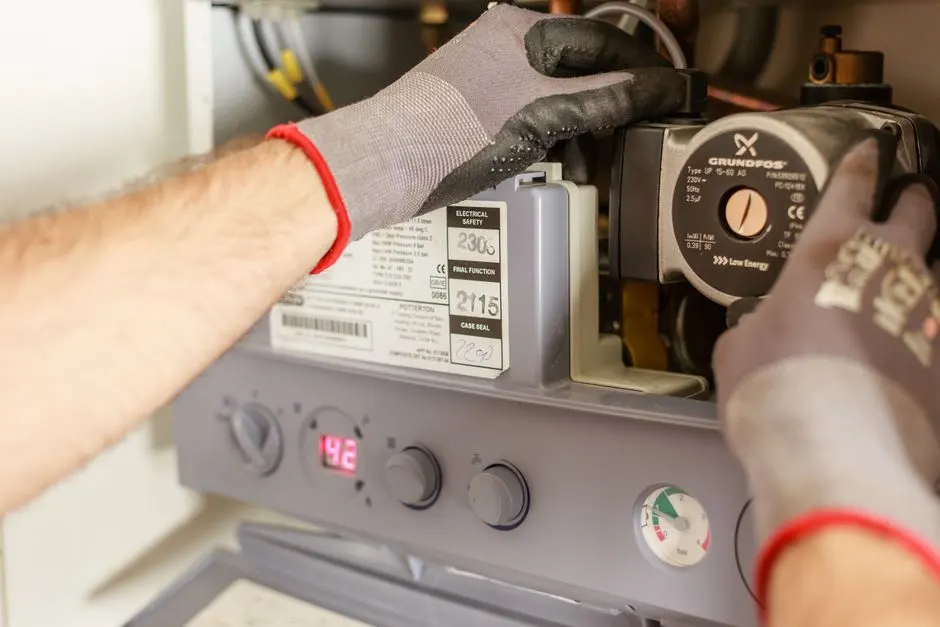 24/7 Furnace RepairOur phone line stays open around the clock for Ashland homeowners. If your gas valve fails at 3 a.m., we dispatch a tech, not an answering service. Same licensed techs, same upfront pricing, any hour.Explore →
 Same-Day Furnace RepairBook before noon and most Ashland repairs are done the same day. We stock common gas valves for Carrier, Trane, Lennox, and Goodman so we're not waiting on a parts order while your house cools down.Explore →
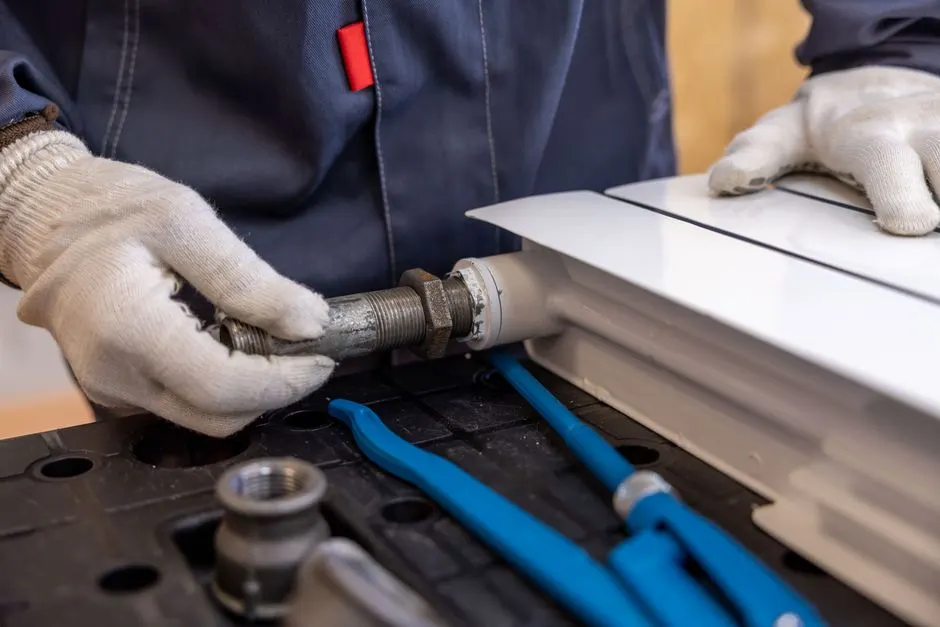 Furnace Not Heating RepairA furnace that runs but never heats is usually a gas valve, flame sensor, or igniter problem. We diagnose the whole ignition sequence, not just the first part that looks bad, so the fix actually holds.Explore →
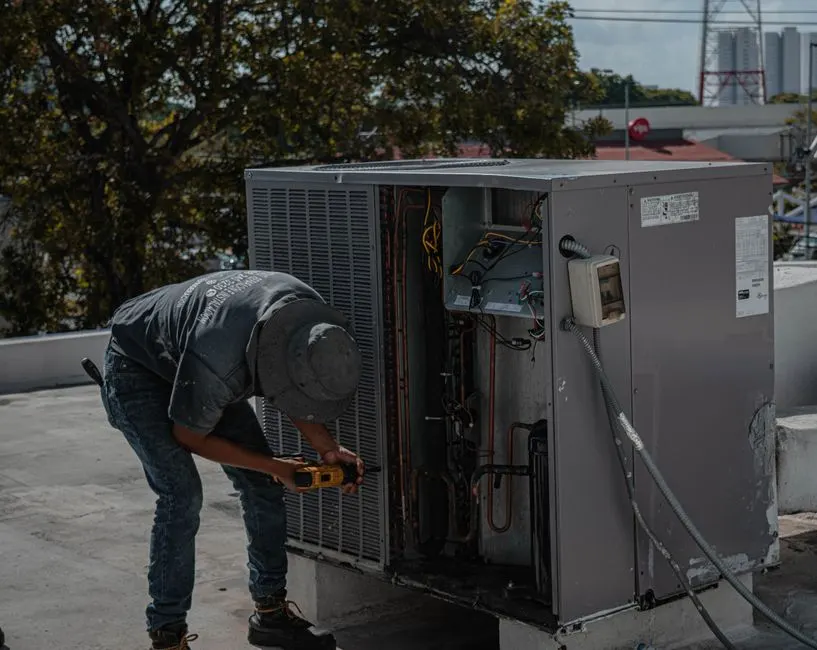 Furnace Blowing Cold Air RepairCold air from the vents means the burners aren't lighting or the blower is running without flame. We check the gas valve, igniter, and flame sensor in order and confirm the burn with a combustion analyzer before we call it fixed.Explore →
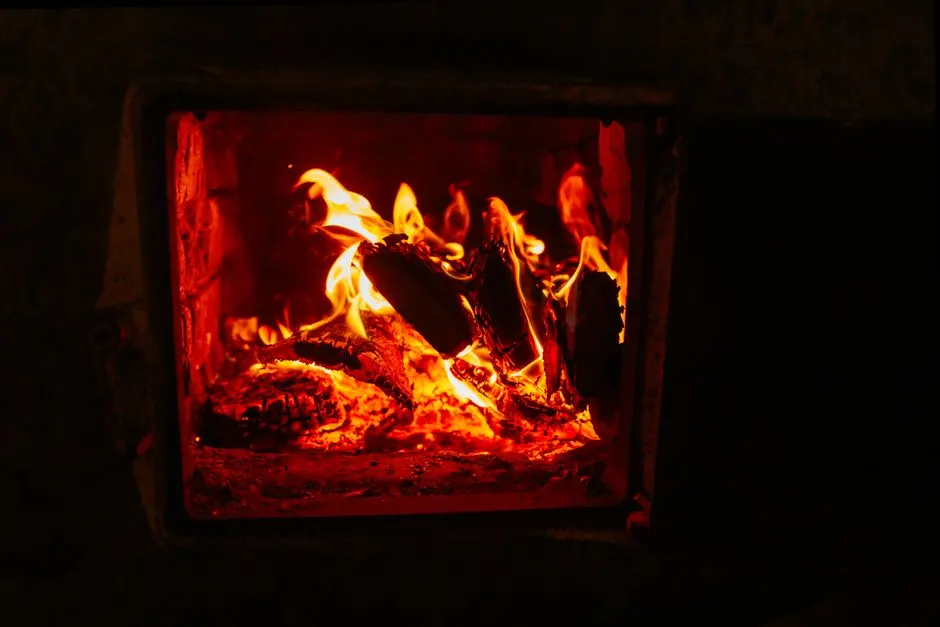 Furnace Ignition RepairIgnition and gas valve work go hand in hand. If your igniter glows but the burners never light, the valve isn't opening. We test both sides of the circuit and replace only what failed.Explore →
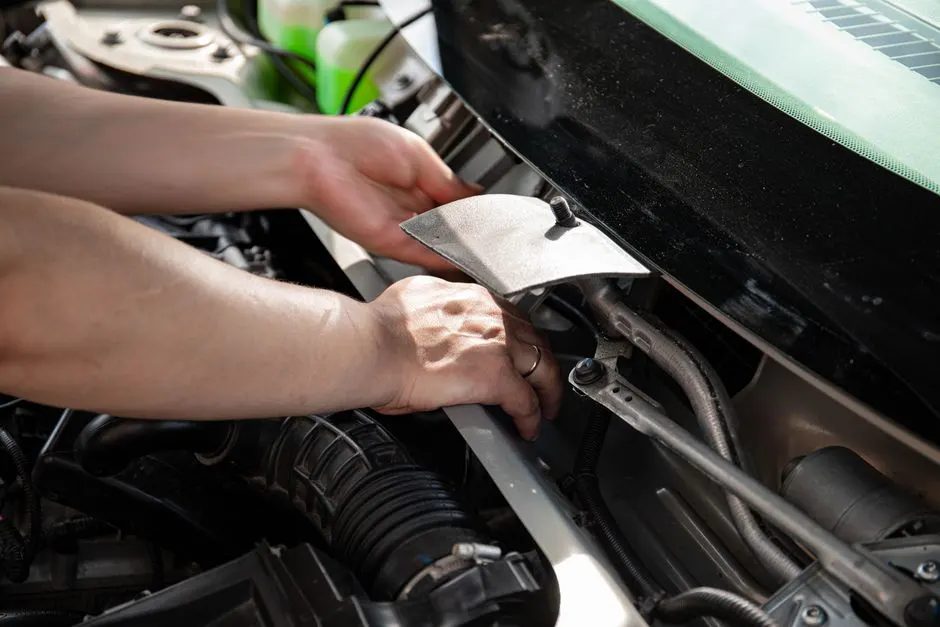 Furnace Pilot Light RepairOlder standing-pilot furnaces in Historic Ashland often lose their pilot when the thermocouple or gas valve weakens. We test the thermocouple with a tester and replace the valve if it won't hold the pilot.Explore →
 Furnace Thermocouple ReplacementA thermocouple that won't hold voltage shuts the gas valve down as a safety measure. We test it, replace it, and confirm the pilot holds through a full cycle. Often the cheaper fix before anyone talks about a new valve.Explore →
No heat and a furnace that won't light? Call us and we'll diagnose the gas valve, quote the repair upfront, and get your heat back on today. Licensed, insured, and warrantied. One call, one visit, done right.
Book a Repair +14195820227 →Call +14195820227 any time, day or night, and a live dispatcher will take your address and symptoms. We serve Ashland and Ashland County with same-day and emergency service. You can also email [email protected] and we will reply within one business hour.