Disconnected flex run in the crawlspace
We reconnect the run, secure it with proper supports, and seal the collar with mastic. Then we verify airflow at the register. Most reconnections take under an hour and restore full heat to the room.
When your furnace runs hard but the house still feels cold, the ducts are usually the problem. We handle furnace ductwork repair Ashland OH homeowners call about most: disconnected runs, torn flex, leaking joints, crushed trunks. Our techs test static pressure, find every leak, and seal it to code. If you need duct repair in Ashland, we can be there today.
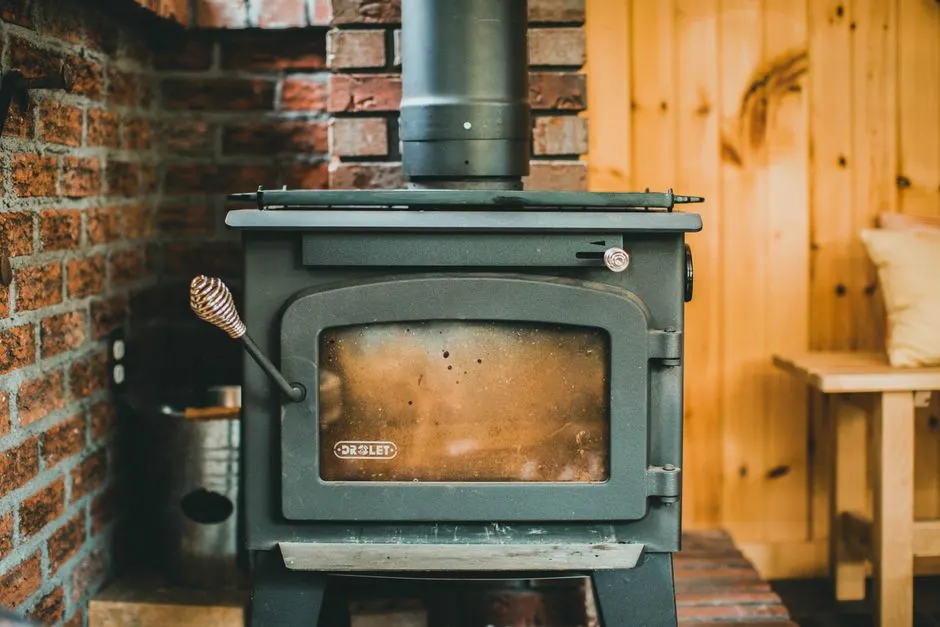
Furnace ductwork repair Ashland OH is the diagnostic and mechanical work of finding leaks, blockages, and failures in the duct system that carries heated air from your furnace to every room. We measure static pressure at the plenum, inspect the trunk and branch runs, and check every joint, boot, and takeoff. Then we seal, reconnect, or replace the failed section so the air your furnace paid to heat actually reaches the rooms you live in.
Most Ashland homes we open up have at least one disconnected flex run in the crawlspace or attic, plus a handful of leaking joints at the plenum. Older houses near Downtown Ashland and Historic Ashland often have original sheet-metal trunks with failing tape and loose seams. If you have been searching for duct repair Ashland homeowners trust, start with a pressure test. It tells us exactly where the loss is before we touch anything.
Every duct call starts with a pressure test and ends with a verified reading. Here is what is covered in a standard furnace ductwork repair Ashland OH visit, and what we quote separately if we find it.
We connect a manometer to the plenum and measure static pressure with the blower running. This tells us how leaky or restricted the system is. You get the number before we quote anything.
We inspect the trunk, branch runs, boots, takeoffs, and flex connections in the attic, crawlspace, and basement. An inspection camera lets us see inside runs we cannot reach by hand.
We seal joints with mastic and mesh, which outlasts foil tape by years. Disconnected flex runs get reconnected and secured. Crushed trunk sections get opened back up or replaced.
After sealing, we adjust dampers and measure airflow at each register. Rooms that were starved get more air. Rooms that were flooded get less. You feel the difference on the first cycle.
We re-test static pressure and show you the before-and-after numbers. Then we walk the house with you, register by register, so you can confirm every room is heating properly.
We check the furnace filter and blower compartment while we are in the system. A clogged filter or dirty blower wheel can mimic duct problems, and we rule those out before we finish.
We connect a manometer to the plenum and measure static pressure with the blower running. That number tells us how restricted or leaky the system is. Takes about 20 minutes. You get the reading before we quote anything.
We crawl the attic, the crawlspace, and the basement, camera in hand, checking every joint, boot, takeoff, and flex connection. We mark leaks with tape so you can see them. Most Ashland homes have three to eight problem spots.
We reconnect disconnected runs, replace torn flex, and seal joints with mastic and mesh, not just foil tape. Crushed trunk sections get opened back up or replaced. This is the bulk of the job, usually two to four hours.
After sealing, we adjust dampers and check airflow at each register. Rooms that were starved get more air, rooms that were flooded get less. You will feel the difference the first time the furnace kicks on.
We re-test static pressure and show you the before-and-after numbers. Then we walk the house with you, register by register, so you can confirm every room is heating. If something is off, we fix it before we leave.
Purpose-built equipment, used by trained technicians — so the job is done accurately the first time.
Measures static pressure at the plenum before and after repair. This is how we prove the leak is fixed, not just guess.
Lets us see inside trunk runs and branch ducts we cannot reach by hand. We use it to find crushed sections and hidden disconnects.
Tests control board, transformer, and wiring faults that can mimic duct problems. We rule out electrical issues before quoting duct work.
Checks gas-side performance and carbon monoxide levels per NFPA 54. Used on every safety inspection and gas valve job.
Measures blower motor amp draw. High draw against a restricted duct system tells us the motor is working too hard.
Cleans joint surfaces and applies mastic and mesh sealing. This is what makes a duct repair last through Ohio winters.
A ranch home in South Ashland had two back bedrooms that never got above 62 degrees, even with the thermostat at 70. The furnace ran 45-minute cycles. A previous company quoted a full furnace replacement.
We found a disconnected flex run in the crawlspace and three leaking plenum joints. Reconnected the run, sealed the joints with mastic and mesh, and balanced the dampers. Both bedrooms hit 69 degrees on the next cycle. Static pressure dropped from 0.82 to 0.58 inches of water column.
A 1920s home near Historic Ashland had original sheet-metal trunk duct with failing seams. The January gas bill was $310, and the furnace ran almost continuously on cold weeks. Every seam was taped, but the tape had dried and peeled.
We sealed 14 feet of trunk seams with mastic and mesh, reconnected two branch runs, and balanced the system. The next January bill came in at $248, a 20 percent drop. The furnace cycle time shortened by about 12 minutes per run.
A rental property near the Ashland University District had a furnace tripping the limit switch two or three times a day. Tenants complained about cold mornings. The return duct was undersized and crushed in one section under the floor.
We opened the crushed return, upsized the restricted section, and sealed leaks at the plenum. Static pressure dropped from 0.95 to 0.62 inches of water column. The limit switch stopped tripping, and morning temperatures held at the thermostat setting.
Most duct problems show up as comfort complaints, not obvious failures. Here are the ones we see most in Ashland, and what they cost you if you leave them alone.
Ask a pro →We reconnect the run, secure it with proper supports, and seal the collar with mastic. Then we verify airflow at the register. Most reconnections take under an hour and restore full heat to the room.
We seal every joint with mastic and mesh, which holds up through seasonal expansion and contraction. Foil tape fails in two winters; mastic does not. We pressure-test after sealing to confirm the loss is gone.
We open crushed sections, replace undersized returns where needed, and measure static pressure to confirm the furnace is moving the CFM it was designed for. That stops the limit switch trips.
We replace torn flex with the correct R-value for an attic install, seal both ends, and support the run so it does not sag. Then we check the whole trunk for similar damage nearby.
“Our back bedrooms never got warm. Two other companies told us we needed a new furnace. These guys pressure-tested the ducts, found a disconnected flex run in the crawlspace, and sealed three leaking joints at the plenum. The bedrooms hit temperature that same night. Cost a fraction of a new furnace.”
Karen M.Homeowner, South Ashland
✓ Verified“The original sheet-metal trunk in our 1920s house was leaking at every seam. They sealed it with mastic and mesh, not just tape, and balanced the dampers. Our January gas bill dropped about $60 compared to the year before. Should have done this years ago.”
Dave R.Homeowner, Historic Ashland
✓ Verified“Furnace kept tripping the limit switch. Turned out the return duct was undersized and crushed in one spot. They opened it up, sealed the leaks, and the cycling stopped. They showed me the pressure readings before and after. Honest work.”
Priya S.Homeowner, Ashland University District
✓ VerifiedMost residential duct repairs in Ashland run $350 to $1,200 in 2026, depending on how many runs are disconnected and how accessible the attic or crawlspace is. A single reconnected flex run with sealing often lands near $350. Whole-system sealing with balancing can reach $1,200. We quote after the pressure test, so you know the scope before we start.
Three signs show up most: rooms that never reach the thermostat setting, dust blowing from registers right after a filter change, and a furnace that runs long cycles but still leaves the house cold. If your crawlspace or attic smells like heated air, that is a leak. A manometer pressure test confirms it in about 20 minutes.
Yes. Sealing a leaking duct system typically recovers 15 to 25 percent of the heated air your furnace produces. That means shorter run times, less fuel burned, and lower bills. In older Ashland homes with original sheet-metal trunks, the gain is often at the high end of that range because the leaks are bigger.
We do. If a duct has collapsed or disconnected and your furnace is overheating or shutting down on the limit switch, call us. We run 24/7 emergency service across Ashland County, including Downtown Ashland, South Ashland, and Ashland Heights. Most emergency calls get a tech on site within a few hours.
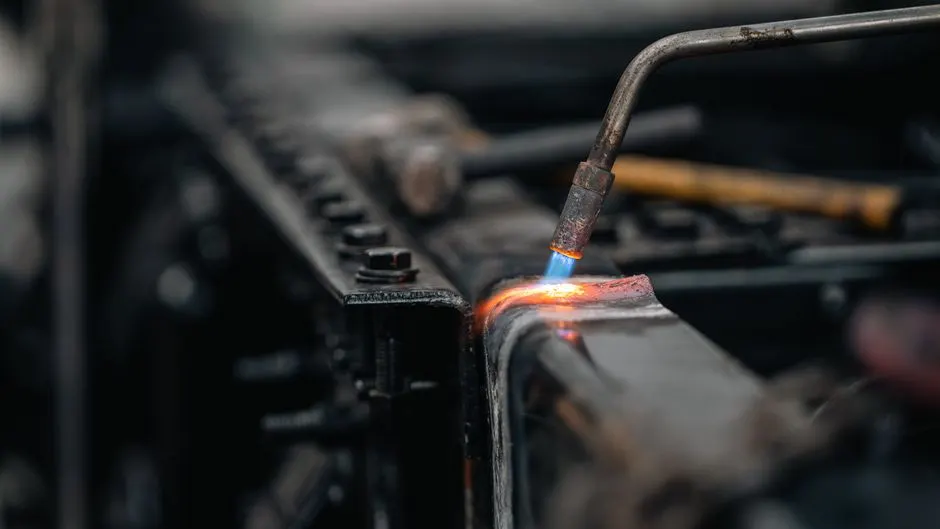 Emergency Furnace RepairWhen a duct failure trips the limit switch and your furnace shuts down, that is an emergency. We diagnose the duct and the furnace together, so you are not paying two companies to chase the same problem in the same Ashland home.Explore →
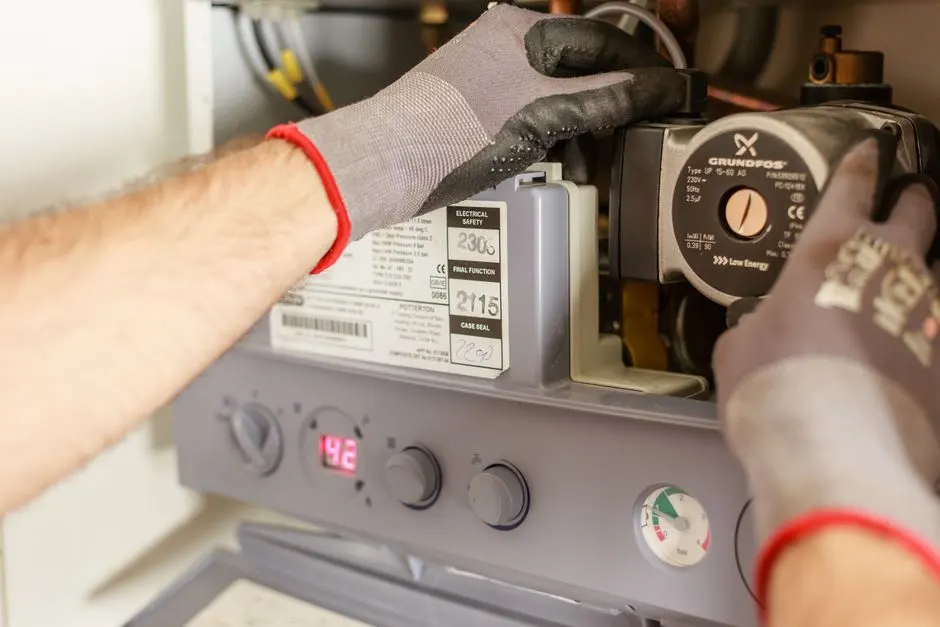 24/7 Furnace RepairDuct problems do not wait for business hours. Our 24/7 line covers Ashland County, and our techs carry duct sealing materials alongside furnace parts. One call, one visit, whether it is 2 p.m. or 2 a.m.Explore →
 Same-Day Furnace RepairBook before noon and we can usually reach your Ashland home the same day. We test the duct system first because a leaking duct mimics a failing furnace. Fixing the duct often solves the call.Explore →
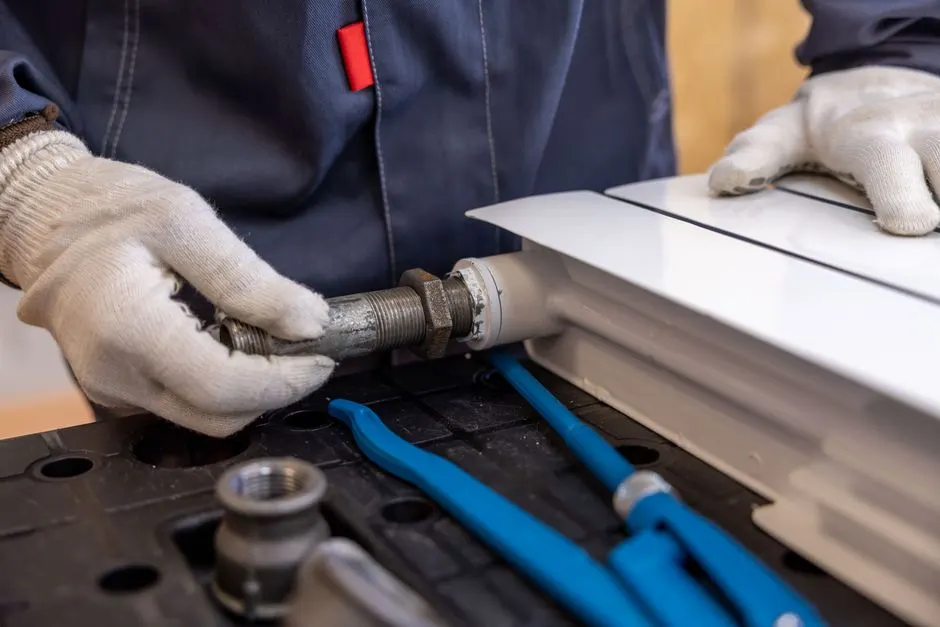 Furnace Not Heating RepairA furnace that runs but never warms the house is often pushing air into a crawlspace instead of your rooms. We pressure-test the ducts, seal what is leaking, and confirm the furnace itself is working before we leave.Explore →
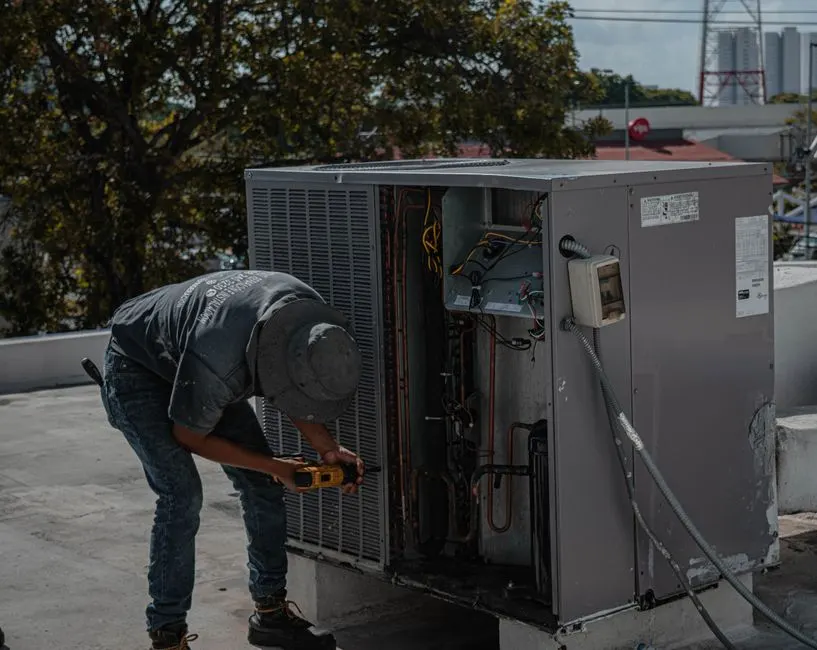 Furnace Blowing Cold Air RepairCold air at the registers can mean a disconnected duct run dumping heat into the attic. We inspect the trunk and branch runs, reconnect what has separated, and verify airflow at every register in the house.Explore →
 Furnace Ignition RepairIgnition problems and duct problems can look the same from the thermostat. We test both. If the igniter or flame sensor is failing, we replace it. If the duct is starving the furnace of return air, we fix that too.Explore →
 Furnace Pilot Light RepairA pilot that will not stay lit is usually a thermocouple or gas valve issue, but restricted airflow from a blocked duct can contribute. We check the full system, not just the pilot assembly.Explore →
 Furnace Thermocouple ReplacementWe test thermocouples with a thermocouple tester and replace failed units on the spot. If the furnace is also short-cycling from duct restriction, we address both in the same visit.Explore →
We are licensed, insured, and local. One call gets a tech to your door with a manometer and sealing materials on the truck. Call now and we will pressure-test your ducts and quote the repair before we start.
Book Duct Repair +14195820227 →Call +14195820227 any time, day or night, and a live dispatcher will take your address and symptoms. We serve Ashland and Ashland County with same-day and emergency service. You can also email [email protected] and we will reply within one business hour.